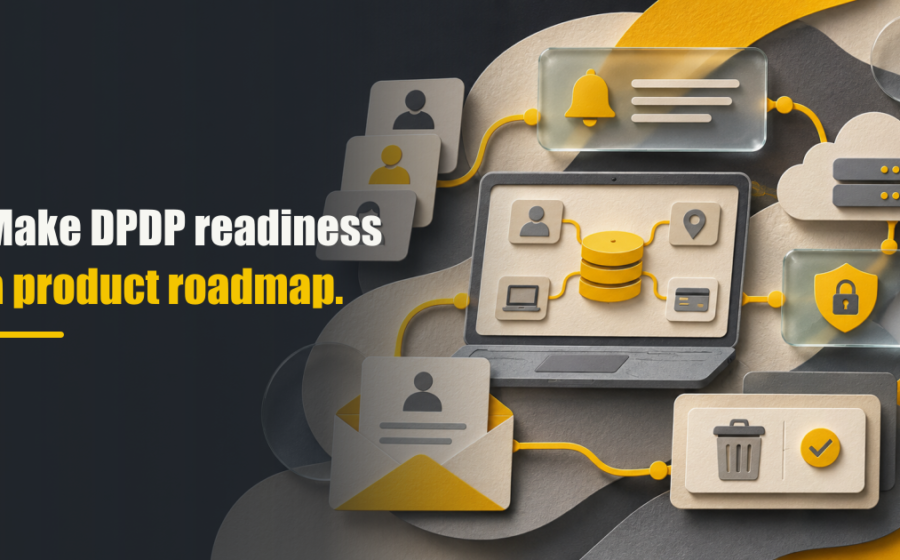
Entering India with a web app? The GST questions to answer before launch

Are you a founder of a Delaware C-corp or Wyoming LLC preparing to launch a web app in India? Before the first subscription is paid, map what the customer receives, which company supplies it, who the customer is, and how the payment is collected. Your US formation state alone does not decide Indian tax treatment.
This guide explains the first checks in plain English. It does not conclude that every app owes Indian tax or must register.
Start with the service, not the app-store label
GST means Goods and Services Tax, India’s indirect tax system on supplies of goods and services. IGST means Integrated Goods and Services Tax. It is one part of GST, used in specified inter-State and cross-border transactions. A supply is the service or other transaction provided under the GST law; “sale” is not always a complete description. See section 7 of the CGST Act and the IGST Act.
Write down what the Indian customer actually pays for. Is it access to software, cloud storage, a marketplace, streamed content, a human-led consulting package, or a bundle? A SaaS product (Software as a Service) lets a customer use software online. A PaaS product (Platform as a Service) gives the customer an online environment to build or run software. Those commercial labels help describe the product, but do not replace the legal test.
Ask whether the supply may be OIDAR
OIDAR means Online Information and Database Access or Retrieval services. Section 2(17) of India’s Integrated Goods and Services Tax Act, 2017 defines it by reference to services delivered through information technology over the internet or an electronic network, where the service is, by its nature, impossible to supply without information technology. The statutory examples include online advertising, cloud services, digital content, data storage, and software. The definition instead asks whether delivery is mediated through information technology over the internet or an electronic network, and whether the service is impossible to supply without information technology. The 2023 amendment removed the former automation and minimal-human-intervention wording. Assess the actual service and any bundled supplies on their facts. Sources: See the IGST Act definition of OIDAR and section 14.
A web checkout alone does not make a service OIDAR. If people perform substantial work for each customer, or the digital tool is only incidental to a human service, examine the actual delivery and contract before classifying it. A decentralised application, or dApp, is still assessed by what it does and how it is supplied; the label does not settle the result.
Identify the recipient and payment route
The recipient is the person who receives the supply for tax analysis. It may not be the person who clicks “pay.” Ask whether the buyer is an Indian business acquiring the service for business, an individual, or another type of organisation. Also record whether an app store or other intermediary sells or collects for you. The place-of-supply rules help locate a service for GST analysis; they do not replace identifying the supply and recipient. A foreign company can have India-facing tax questions without incorporating in India, but the answer depends on the transaction and applicable statutory route.
Reverse charge means that, in specified transactions, the recipient rather than the supplier is responsible for paying tax. The special offshore OIDAR rule in section 14 is relevant to supplies by a supplier outside India to a non-taxable online recipient, a defined statutory category. Do not treat that phrase as a shortcut for “every Indian user.” The customer’s status and the transaction facts matter. Read sections 5, 13 and 14 of the IGST Act.
A pre-launch checklist
Before accepting Indian orders, have product and finance teams record:
- The exact service, contract, customer-facing flow, and any human work included, so the facts can be assessed under the applicable statutory tests.
- The legal entity supplying the service and the entities receiving customer payments.
- The likely recipient types and the evidence used to establish location and status.
- Any marketplace, app-store, reseller, or payment-provider role.
- The classification questions that need a tax review, including whether the supply is OIDAR and whether registration or a return route may apply.
A worked example: a US company launches in India
Suppose a Wyoming LLC offers an online project-management service. An Indian customer pays monthly and accesses it online. Check both parts of section 2(17): whether delivery is mediated through the internet or an electronic network, and whether the service is impossible to supply without information technology. If both fit the actual service, it may be OIDAR; the commercial label and degree of automation do not decide it.
Now suppose the same checkout also sells a package that includes several hours of custom consulting. The team should separate the online software access from the human service and check whether the bundle is one supply or has distinct parts under the relevant tax rules. The service description, contract, invoice, and real delivery should tell the same story. A button labelled “SaaS plan” cannot settle what the customer actually receives.
Next, the team should identify who buys each plan. An Indian company may buy seats for employees. An individual may buy a personal subscription. A marketplace may be the seller of record for some purchases while the US company bills customers directly for others. Keep these flows separate in the analysis and in the records. The company’s state of formation, where its servers sit, and the payment currency can be relevant facts, but none alone answers the GST treatment.
This is why product, finance, and operations should review the India launch together. Product can explain the service and human touchpoints. Finance can identify the seller, billing entity, payment channel, and customer records. Legal or tax reviewers can then test the right statutory provisions against one clear picture.
Frequently asked questions
Does every app with Indian users qualify as OIDAR?
No. Internet delivery alone does not decide the classification. Apply the current section 2(17) test: is delivery mediated by the internet or an electronic network, and is the service, by its nature, impossible to supply without information technology? Identify the actual service and assess distinct or bundled human-led work separately. Human involvement is not an independent element of the current OIDAR definition.
Do we need to set up an Indian company before we can sell?
Do not treat incorporation as the first or only tax question. A foreign supplier can have Indian GST questions even without an Indian subsidiary, while forming a local company does not itself decide how every supply is taxed. Check the supplier, customer, service, place of supply, and registration route.
Is OIDAR the same thing as IGST?
No. OIDAR is a defined type of online service. IGST is the Integrated Goods and Services Tax, a component of India’s GST system. First classify the service, then test which tax rules apply.
What should we collect before the first Indian sale?
Keep the current service terms, product flow, pricing and invoice examples, seller-of-record details, customer types, location evidence, and marketplace or payment-provider agreements. These records help explain the facts used in the tax review.
Before launch, make one product-and-customer map that finance, product, and tax reviewers can all use. This guide is general information, not a tax opinion for a particular business; confirm current legislation, notifications, and portal instructions before acting.
Related reading: How to tell whether a service may be OIDAR; who pays IGST on a foreign SaaS sale; the foreign OIDAR registration and return workflow.
Primary sources: Central Goods and Services Tax Act, 2017, section 7; Integrated Goods and Services Tax Act, 2017, sections 2(17), 13 and 14.
This article is for general awareness and is not legal advice. Laws change and every matter turns on its facts — please seek independent counsel before acting on it.